The question in this file
Does the parameter apply to the component or the assembly?
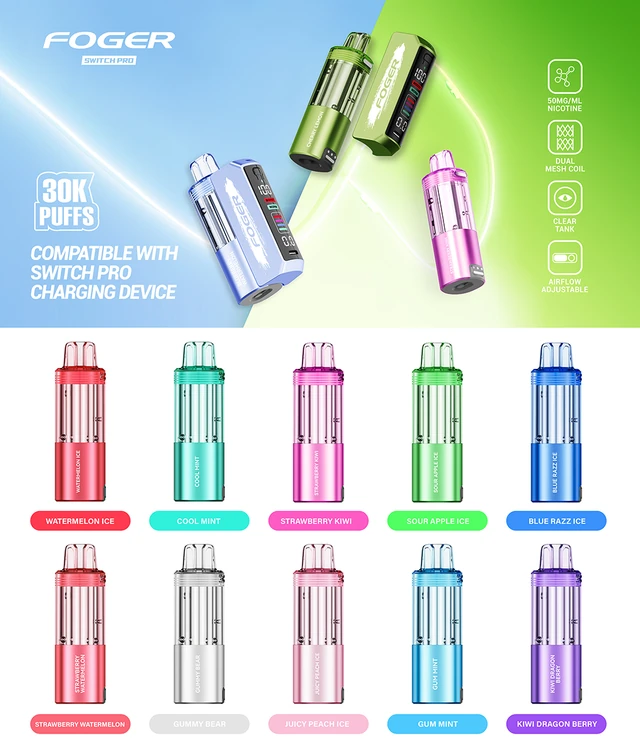
A component record needs its own identity. A pod, power unit and assembled kit may appear together while carrying parameters with different scopes.
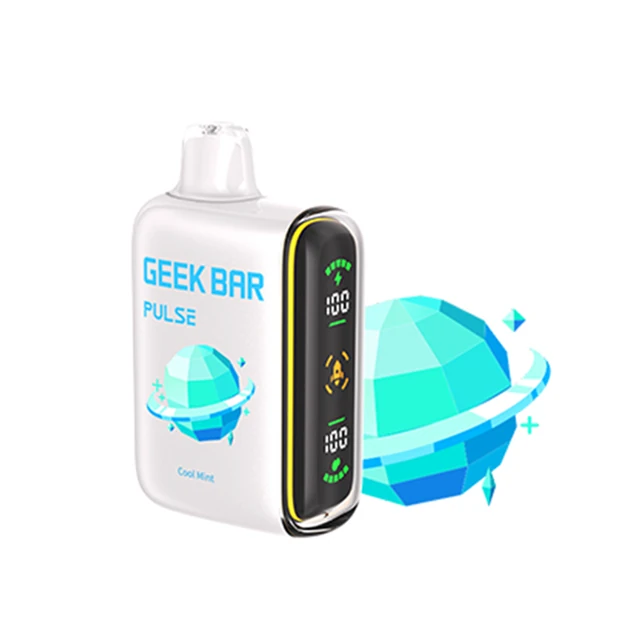
PULSE: the named record
Geek Bar lists PULSE as a separate model in its product catalog. The pictured device belongs to that named entry. A family name alone does not distinguish it from PULSE X.
A standalone branded device; no physical sample has been examined.
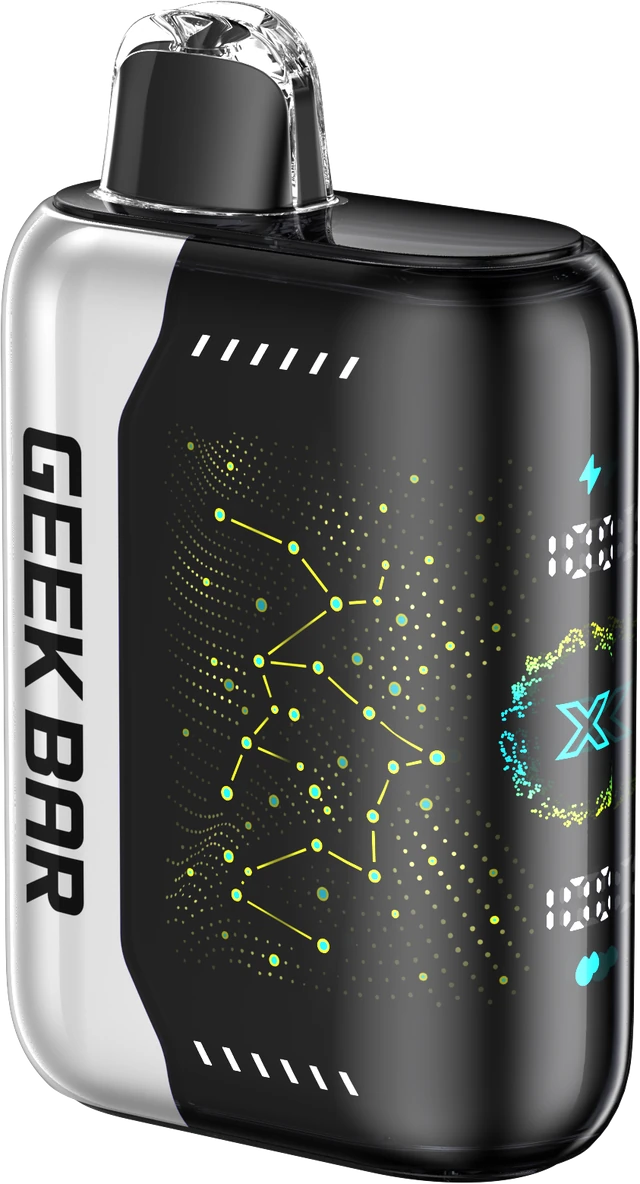
PULSE X: the named record
The publisher maintains a PULSE X page distinct from PULSE. The X is part of the identifier, not an editorial quality grade. The screen and casing shown belong to the publisher image.
Publisher appearance is visible; screen behavior has not been measured.
How to read the record
Open the model record on this site before following the original publisher link. Compare the exact name in the heading, the image caption and the cited page. If one changes, the reference should be narrowed rather than silently treated as equivalent.
A screen image, package label or catalog suffix can establish how the publisher presents a subject. Those details do not independently establish performance, authenticity or permission to sell it in a particular market.
A worked reading example: A component boundary changes the sentence
In a modular description, the pod and the charging device have different jobs and different records. If a parameter is taken from the charging-device page, write that component in the same sentence. A complete kit photograph does not show that every printed value applies equally to each part. Before comparing the arrangement with a standalone Geek Bar model or an Alibarbar directory entry, define what is being compared: a part, an assembly or the wording of a publisher description. That modest clarification prevents a system diagram from becoming an unsupported performance conclusion. A clear component map can be valuable without claiming a single test result.
Check the address
Write the publisher role next to the source URL. If the source is a summary, identify the original it depends on. A second link should have a reason to be there beyond repeating the first.
Editorial takeaway: Keep the object, its parameter and the relevant source in one unit of description.
The boundary of the conclusion
A system description should not flatten the parts into one interchangeable object.
This is an original documentation review. No purchased sample, laboratory result, flavor assessment or device ranking is reported.
Original source trail
Source access: 17 October 2026. The product images shown above are publisher reference imagery, not our hands-on photographs.